Emerald cut diamonds

Diamond background

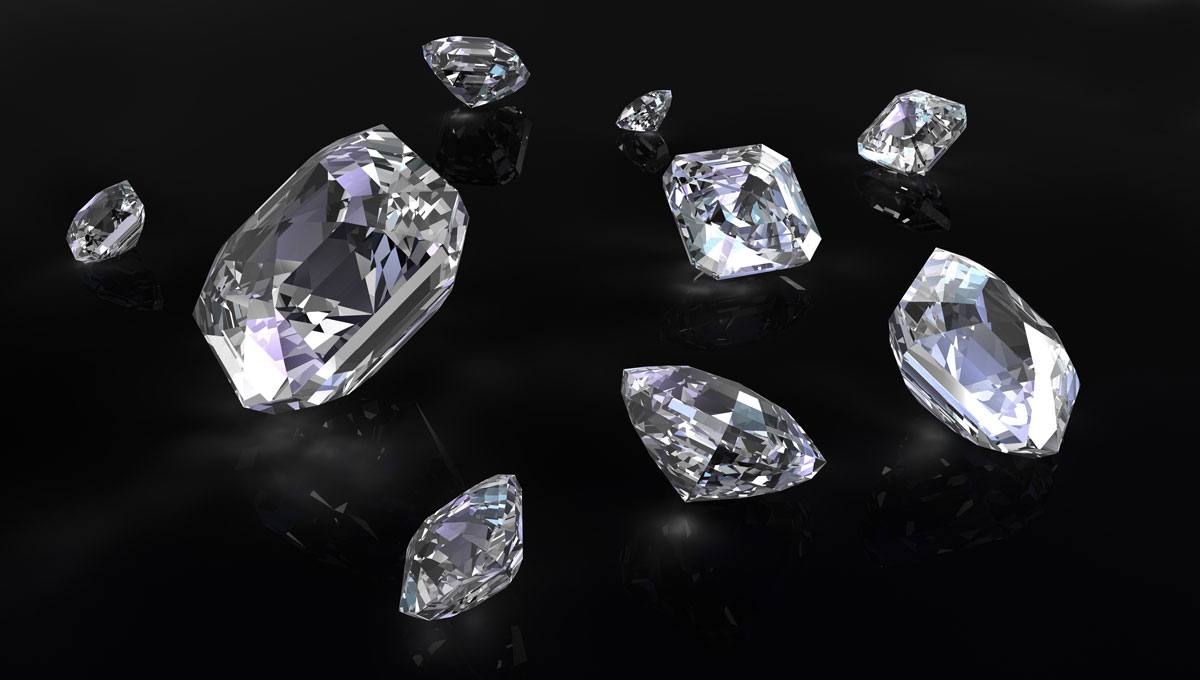
The emerald cut is a square, stepped shape with cropped corners. The emerald cut has 58 facets (25 pavilion, 25 crown, and 8 girdle), and eight sides as the four “corners” are actually short sides, too. The corners are cut with steps—parallel, graduated planes to protect the stone. The culet is dependant on the length-width ratio of … Read more

cushion cut diamonds

Diamond background

The cushion cut—also called a pillow cut—is between rectangular-oval and oval, so it can be of varying length-width ratios. Simply put, it is a rectangle or square with rounded corners, but it also engages larger facets and an open culet to display the diamond’s depth. This openness comes with an added concern for the diamond’s … Read more

Asscher cut diamonds

Asscher cut background

An Asscher cut diamond resembles an emerald cut diamond, except it is square, rather than rectangular. Both of these cuts have cropped corners, allowing a four-prong setting to grasp the corners neatly. Clarity and color of the diamond are most important in an Asscher cut. The open table highlights the diamond’s clarity, just as the open table does for an emerald cut diamond. The … Read more

Diamond clarity

Diamond clarity header

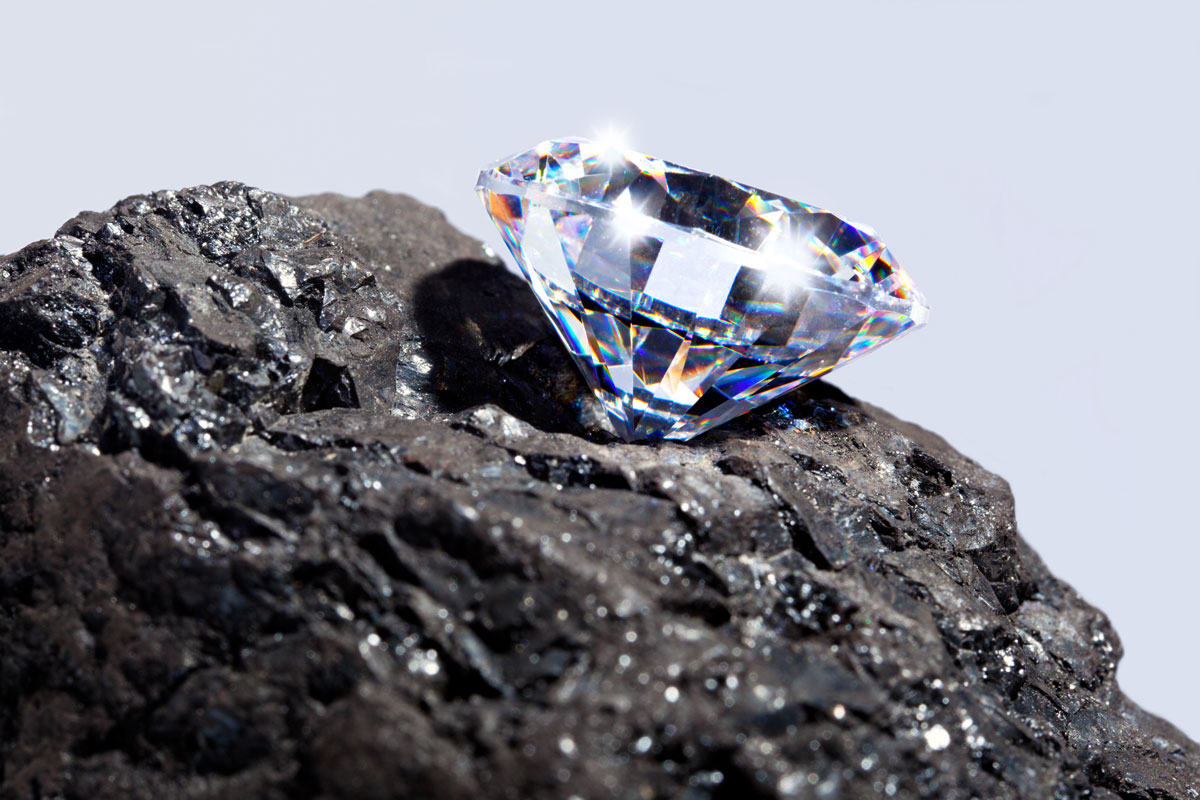
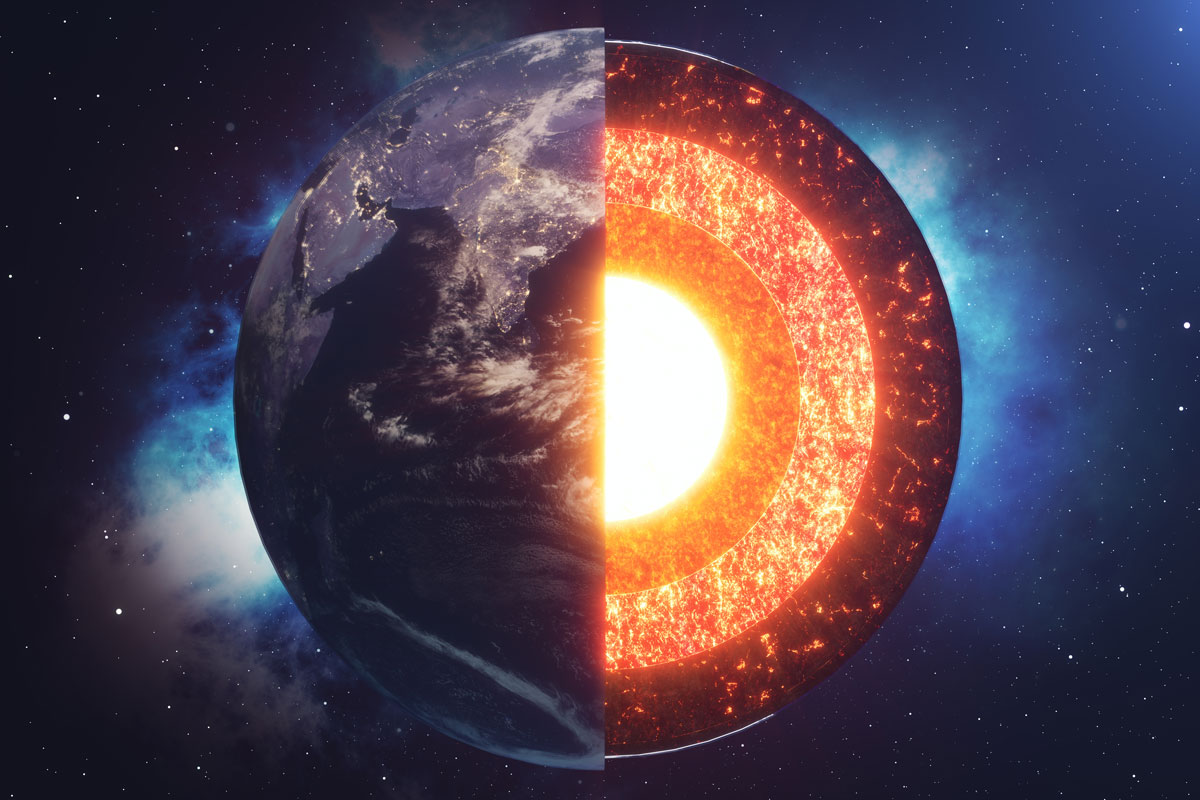
Of all of the Four Cs, Clarity is the easiest to evaluate and considered the most straightforward for the average diamond consumer to understand. While diamonds are being formed deep within the Earth’s surface, the extreme heat and pressure that help shape them can also create cracks, flaws or inclusions. These internal and external imperfections or … Read more

Diamond carat

diamond carat header 1

Contrary to popular belief, carat weight is not an accurate reflection of a diamond’s size, the carat size. A diamond increases in weight much faster than it increases in diameter. While small round diamonds that have the same carat weight are almost indistinguishable in size, the heavier a diamond gets, the less predictable its size … Read more

Diamond Cut

diamond cut header

Diamond ‘cut’ often refers to two separate characteristics of a loose diamond: Its shape ie. round, princess cut, oval, etc Its make, or style of cutting and quality, which consists of polish and symmetry. In this article, we’re going to look at diamond cut in relation to a stone’s ‘make’ ie. how well it has … Read more

GIA, AGS, EGL and other diamond grading certificates

Diamond certificates, or certs, as they are known in the diamond industry, are often called the fifth C, in addition to the well-known 4Cs of diamond stones: carat weight, cut, color, and clarity. This article will answer several popular questions about diamond certificates: Why is buying a certified diamond better than buying a stone without … Read more

How Are Colored Diamonds Formed?

how diamonds are formed header

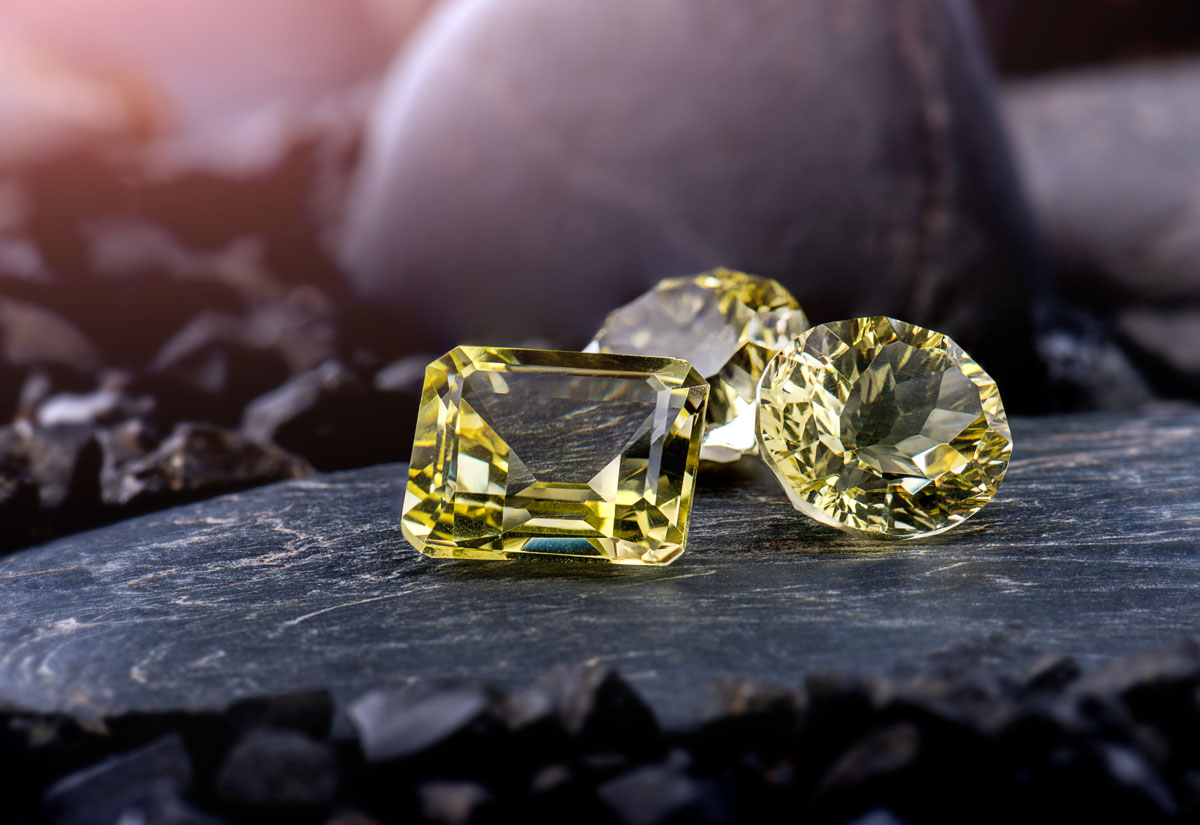
Colored diamonds are found both in nature and in laboratory settings.  According to the GIA, only one in 10,000 natural diamonds is a colored diamond outside the D-to-Z grading spectrum.  Colored diamonds can be found in almost any shade of the rainbow.  The GIA lists 27 different hues for natural colored diamonds.  The variety of … Read more

Diamond color

diamond color

When industry experts discuss a diamond’s color, they are typically referring to a diamond’s transparancy, or lack of color. Diamonds composed of 100% pure carbon without any impurities render completely colorless diamonds. However, almost all diamonds contain some degree of color impurity caused by lingering traces of nitrogen, boron, hydrogen or other elements. Most diamonds … Read more